
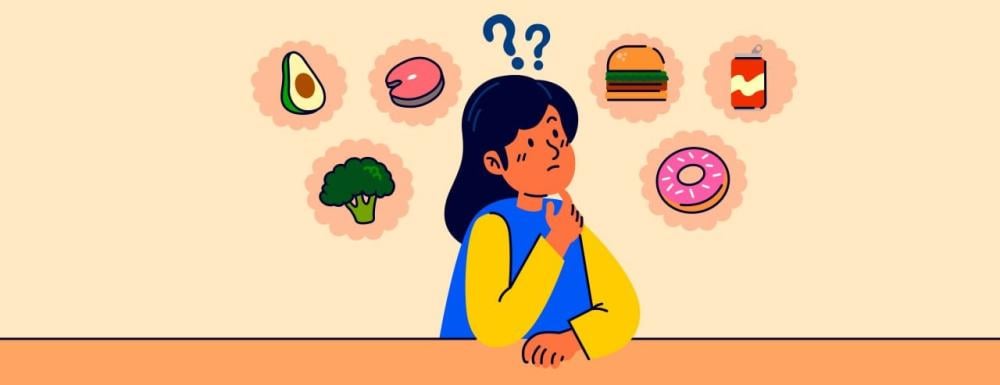
Eating disorders are a group of psychological conditions that result in unhealthy eating habits, which may begin with an obsession with excessive food or body weight and shape.
Sometimes eating disorders can cause serious health consequences, including death, if left untreated. They are second only to an anionic overdose.
Eating disorders are particularly prevalent among men, but they can also affect all genders and at any stage of life.
What causes eating disorders?
There are a number of different factors that may contribute to you developing an eating disorder, and the most prominent of these factors is genetics, as people who have a brother or parent with an eating disorder are more likely to develop it.
In addition, there are three personality traits that may cause you to develop an eating disorder: neuroticism, impulsivity, and perfectionism.
Other reasons include the pressures of being thin and the cultural preferences for thinness.
Recently, some experts have suggested that differences in brain structure play an important role in the development of eating disorders, and another factor is the levels of brain chemicals such as serotonin and dopamine.
What are the types of eating disorders?
It is a group of conditions closely related to eating and weight problems. The following are six of the most common types of eating disorders:
First – Anorexia Nervosa
It is well known that eating disorders are the most common type, and tend to affect women more than men, and they develop especially during adolescence or adulthood.
It is likely that people with anorexia generally struggle with constantly monitoring their weight, avoiding certain types of food, and restricting their calorie intake.
The most common symptoms of anorexia nervosa include:
1. Denying weight loss in a blatant and serious manner
2 - Perceived body weight has a significant impact on self-esteem.
3 - Intense fear of constantly gaining weight
Those suffering from anorexia often exhibit symptoms of obsessive-compulsive disorder, for example
Many of them are constantly preoccupied with thoughts about food and anxiously collect food recipes. In addition, they also find it difficult to eat food in public places and prefer to eat it at home.
Second – Bulimia Nervosa
It is also more common during adolescence and early adulthood, and we can place it on the list of least common among men and women.
People with this usually eat unusually large amounts and feel they cannot stop eating or control how much they eat.
This craving occurs with any type of food, but it is most often with foods that the unaffected individual avoids.
Sometimes, people with bulimia nervosa try to cleanse their stomachs to compensate for the calories consumed and to relieve stomach pain.
Third – Binge eating disorder
It usually begins during adolescence and continues into adulthood, and this type is very similar in form to those suffering from bulimia.
For example, they eat large amounts of food in a short period of time and then feel that they have no ability to control themselves.
How do you know if you have an eating disorder?
If you are suffering from an eating disorder, it is advisable to identify the condition and seek treatment as soon as possible, as not all signs appear in all people at the same time, but some behaviors may indicate that there is a problem, including :
ﻻ
1. Mood swings
2 - Excessive concern with body shape and appearance
3 - Following a frequent diet
4 – Skipping daily meals or eating only small portions
5 – Your refusal to eat certain foods
But before concluding, we offer you some advice that may help you cope with an eating disorder. For example, you can go to a nutritionist to help you learn healthy eating habits and behaviors. In addition, you can go to a psychiatrist to provide you with a range of treatments to help you change your thought patterns and improve your coping skills.